
1-805-484-2992
Quotes - Engineering - SalesPOTABLE AND SPECIALTY
Double-Wall
Separation
That is the whole point: potable water must not be contaminated by boiler water or glycol, and a leak that is visible is a leak that gets fixed before anyone drinks it.
Double-wall separation is a legal requirement for potable duty in BeNeLux, France, Canada and Australia. Elsewhere it is often specified anyway, because the alternative failure is not one anybody wants to explain.
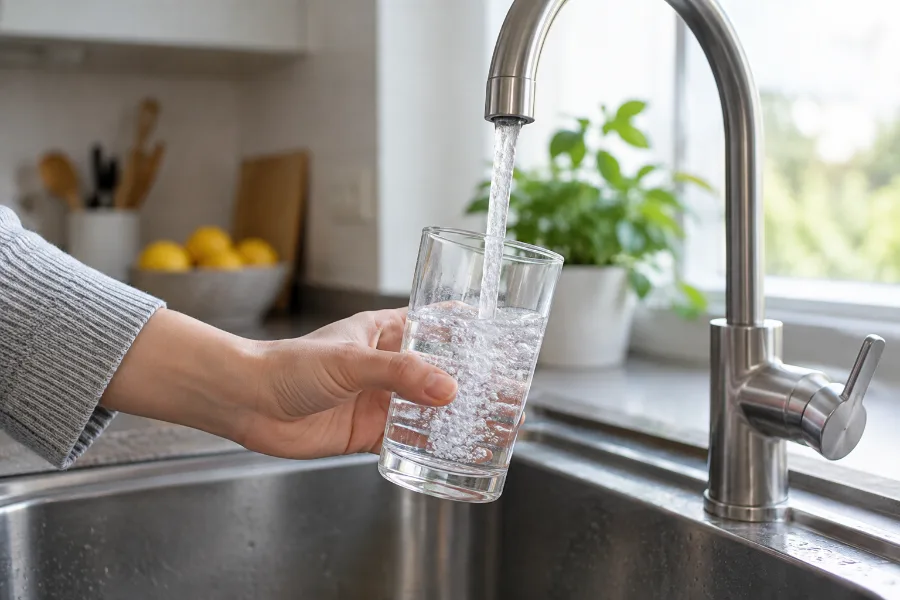
The second plate is the obvious feature. The gap between them is the one that does the work.
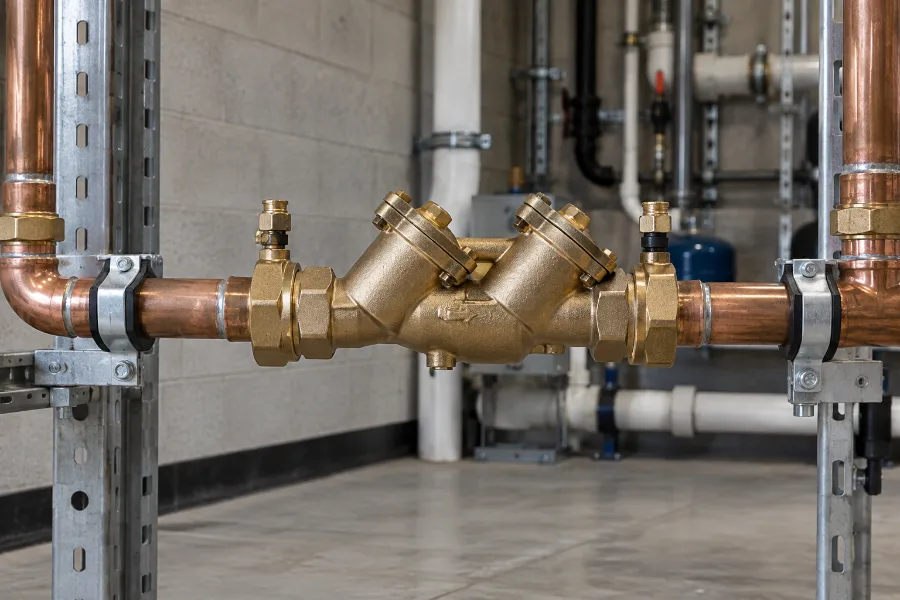
Why the vented gap matters more than the second wall
A single-wall exchanger that develops a pinhole mixes the two fluids silently. On a potable installation that means boiler water, glycol or process fluid entering the drinking supply with no indication at all until someone tests it or tastes it.
A double-wall unit cannot do that. Any breach of either wall vents into the gap and drains to atmosphere, where it is visible. The failure becomes a puddle rather than a contamination event.
This is why substituting a single-wall frame on thermal equivalence is not a substitution. The thermal duty may match; the safety function does not exist.
- Transformer oil uses the same principle - two fluids that must never meet, with any leak made visible.
Sizing This Duty
Start with why double-wall is required - the code or the authority asking for it - and name both fluids exactly. Then the flow and temperatures in and out on each side. Our reply gives the double-wall model, its plate count and a quote.
Request a double-wall separation quoteWorth Knowing About Double-Wall Separation
It can be insulated, but not in a way that hides the outside of the plate pack. The leak path ends there, and a jacket sealed tight around the pack, a coat of paint or a mastic bead will hold a weeping leak out of sight - which removes the only reason for buying the unit.
Leave the pack edges where they can be inspected, or use insulation that can be lifted off. Mount the unit where a drip will be noticed, over a tray or a floor drain, and put it on the routine inspection round.
No. Heat has an extra interface to cross in every double plate, so the same count delivers less. The selection has to be run as double wall from the start, and it normally comes back with more plates or the next frame up.
Check the pressure drop and the installed depth again as well. A deeper pack may not fit the space the single-wall drawing allowed, and that is cheaper to find at the quote than on site.
Assume it will not. A double-wall model is a different plate, and the port centres, pack depth and connection sizes should all be checked against the dimension table before any pipe is cut.
Send the old unit's designation and the duty. We will size the double-wall replacement and give you the dimensions side by side with the original, so the pipefitter knows what moves. Replacing an existing double-wall unit is simpler: match the string on the nameplate. The Model Number Guide shows how to read it.
The drip means one wall has been breached and the unit has done what it was built to do: the fluid went to atmosphere and not into the other circuit. The second wall is still separating the two streams.
It is a warning, though, not a condition to run with. Do not seal the leak, and do not plug it. Work out which fluid it is - glycol and treated boiler water are usually easy to tell from mains water - isolate the unit when you can, and replace it. A brazed pack cannot be repaired.
Three things account for most of it. Freezing: water that turns to ice in the channels can split plates. Fatigue: water hammer from fast-closing valves and pulsation work the braze joints until one cracks. Corrosion: chlorides pit 316 stainless, and a pit is a pinhole through one wall.
The first two are installation matters - flow proving, slow-acting valves, supported piping. The third is a material choice. Where the water is chloride-bearing, say so in the enquiry, because the plate material should change before the unit is ordered, not after the first one fails.
Yes. Double wall deals with one risk, the two fluids meeting. A potable approval deals with another, what the wetted materials themselves put into the water. Meeting one says nothing about the other, and a specification for drinking water service will usually call for both.
For US work the listing is NSF/ANSI 61, which carries a 90 C limit. Give us the jurisdiction and the hottest temperature the potable side will see, and the quote will state which approvals the offered unit carries. Approvals and Certifications sets out the envelopes.
Frames for This Duty
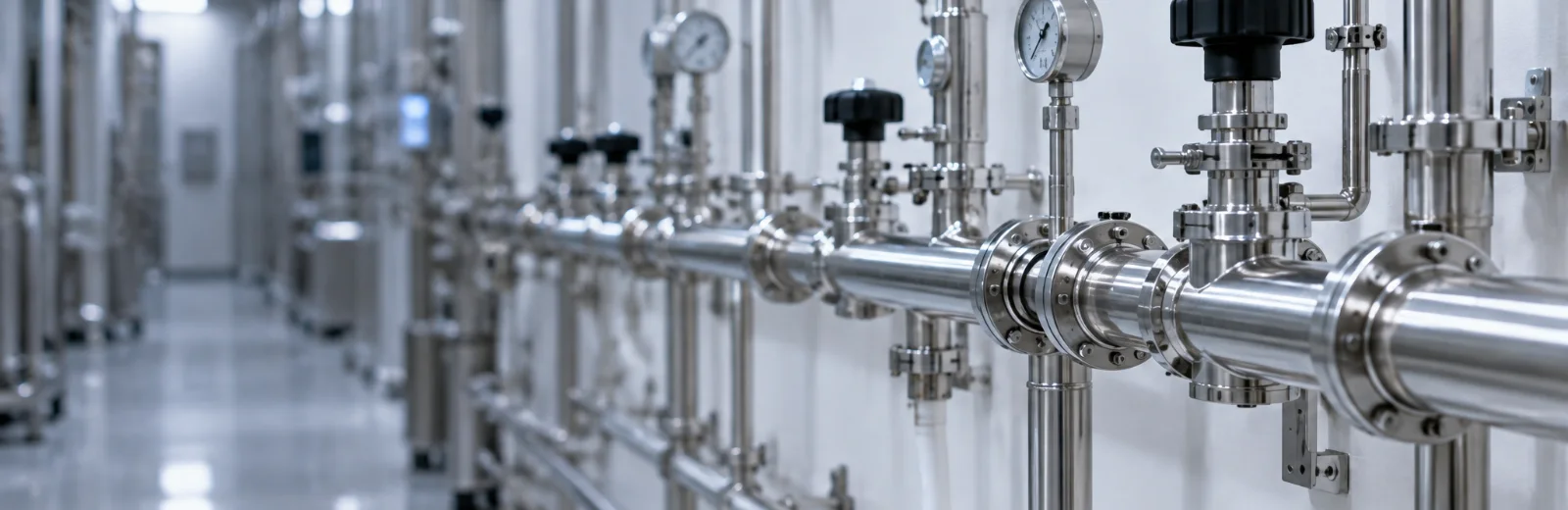
SERIES • 18 TO 75 GPM
SWEP B16
All-Stainless construction - copper-free plates and brazing throughout.
+ Learn More
RELATED
Domestic Hot Water
Potable water heating carries a requirement no other duty does: the heating fluid must not be able to reach the drinking water, and in several.
+ Learn More