
1-805-484-2992
Quotes - Engineering - SalesPOTABLE AND SPECIALTY
Pool and Spa
Heating
Chlorinated and salt-chlorinated pool water attacks 316 stainless by pitting corrosion, and a standard frame in that service can fail within a season.
The correct specification is SMO 254 high-molybdenum steel - the MC material code - or titanium in the gasketed range. This is not a margin-of-safety question; it is a right-material question.
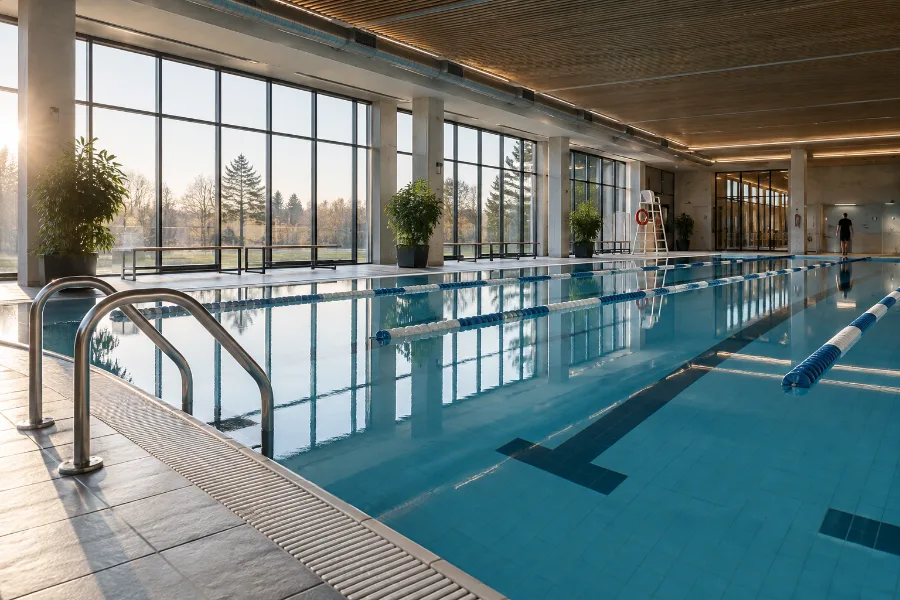
Pool heating calculations that start from water volume produce oversized exchangers and disappointed owners in roughly equal measure.
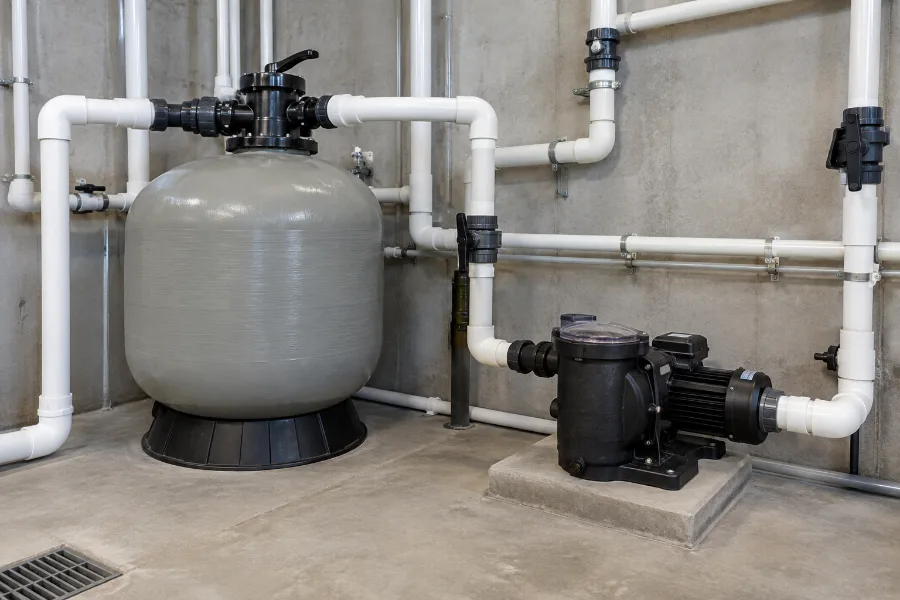
Where the heat actually goes
A pool loses most of its heat by evaporation from the surface, not by conduction through the shell. That loss scales with surface area, air movement and humidity - and it is enormous compared with what the water volume would suggest.
It also means a cover is the single most effective intervention available. A pool with a cover in use overnight can need a fraction of the heat input of the same pool uncovered, which changes the exchanger selection more than any thermal refinement.
Size on the recovery rate the owner actually expects, and ask whether a cover is part of the operation. The answer changes the frame.
- Size on recovery rate - , not pool volume. Most heat loss is evaporative from the surface, and a cover changes the load more than the exchanger does.
Sizing This Duty
Pool water chemistry decides the plate material, so say how the pool is sanitized and wether it is a salt system. Then the pool-side flow and temperatures and the heating-side flow and supply temperature. We quote a frame, plate count and pressure class.
Request a pool and spa heating quoteDetails That Decide It
Downstream of the exchanger, always, with a check valve between them. The exchanger should only ever see water at the pool's own balanced chemistry.
The field failure looks like this: a tablet feeder or acid injection point is plumbed ahead of the heater, or sits beside it with no check valve. When the circulation pump stops, concentrated solution drifts back and sits in the channels for hours. Even SMO 254 is chosen for pool water at pool concentration, not for chemical feed at full strength. The unit perforates from the pool side and the owner blames the plate material, when the plumbing order was the cause.
No, and on most pools it should not. Filtration flow is set by turnover, and it is usually far more than the heating duty needs. Pushing all of it through the plates costs pump head for no thermal gain, and it can exceed the frame's maximum flow, which is a ceiling set by the ports rather than a design figure.
Pipe the exchanger on a side stream with a balancing valve on the bypass. The pool side then runs a large flow with a small temperture rise and the boiler side a small flow with a large drop, which is a lopsided duty. Send both flows so the selection is made on the real split.
Not the same material code. SC is 316/316L plate with copper braze, and that plate is what the chlorides pitted. Ordering the identical string buys the same failure on the same schedule.
Send us the full nameplate anyway. The frame, plate type, plate count and connections tell us the duty the old unit was doing and what the pipework expects, and we carry those across to an MC build - SMO 254 plates - on a frame such as the SWEP B56. If the frame changes, the port positions change with it, so we confirm the connection layout with the quote.
The material answer is the same; the duty is not. A spa holds a small volume at a higher temperature, takes a heavy bather load for its size and gets dosed hard, so its chemistry swings further and faster than a pool's. That makes the chloride-resistant plate more important, not less.
Thermally, a spa owner expects recovery in minutes after the cover comes off or a group gets in. The exchanger is sized on that pull-down, and the boiler has to be able to deliver it.
Either keep it circulating with the water in balance, or drain it completely and leave it dry. The condition to avoid is the one most pools end up in: isolated, full of stagnant treated water for months. Deposits settle in the channels and corrosion starts underneath them, where the water chemistry no longer resembles the pool's.
On an outdoor plant room there is a second risk. Water left in the channels can freeze and split the unit, and a brazed pack that has split is not repairable. The freeze protection notes cover draining and layout.
Frames for This Duty
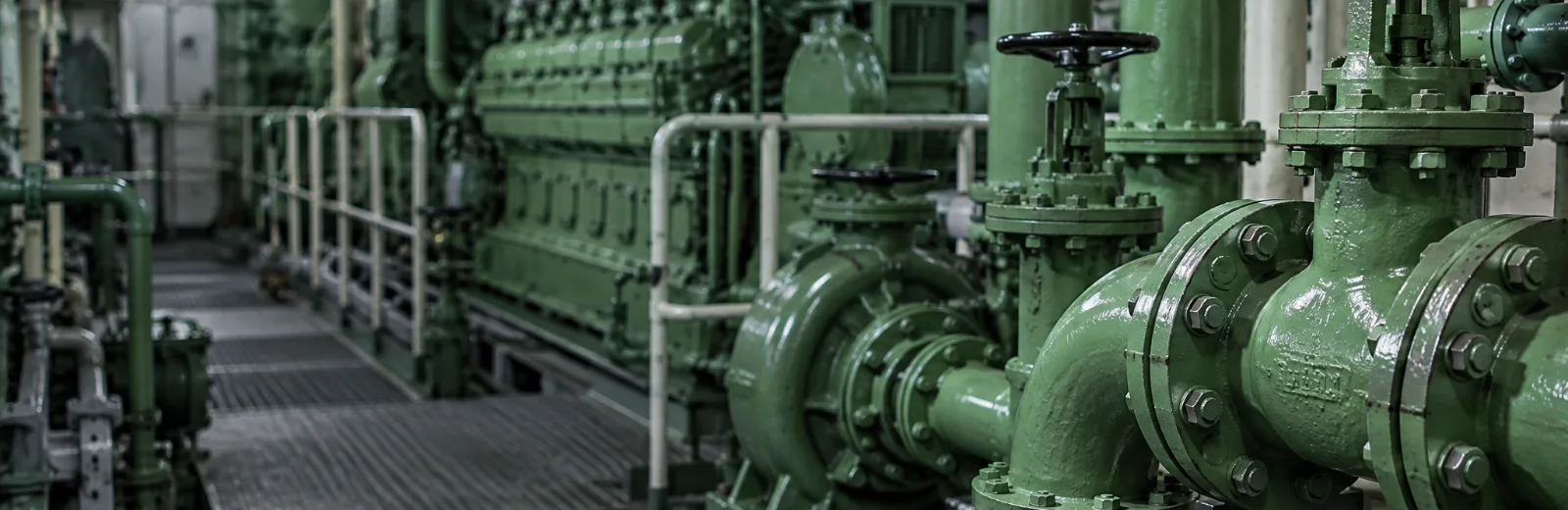
SERIES • 200 TO 400 GPM
SWEP B56
SMO 254 high-molybdenum plates - the chloride-resistant frame.
+ Learn More
RELATED
Domestic Hot Water
Potable water heating carries a requirement no other duty does: the heating fluid must not be able to reach the drinking water, and in several.
+ Learn More